Vegan vs Mediterranean Diet; Which Is Better?
2 سال پیش
- خواندن 5 دقیقه
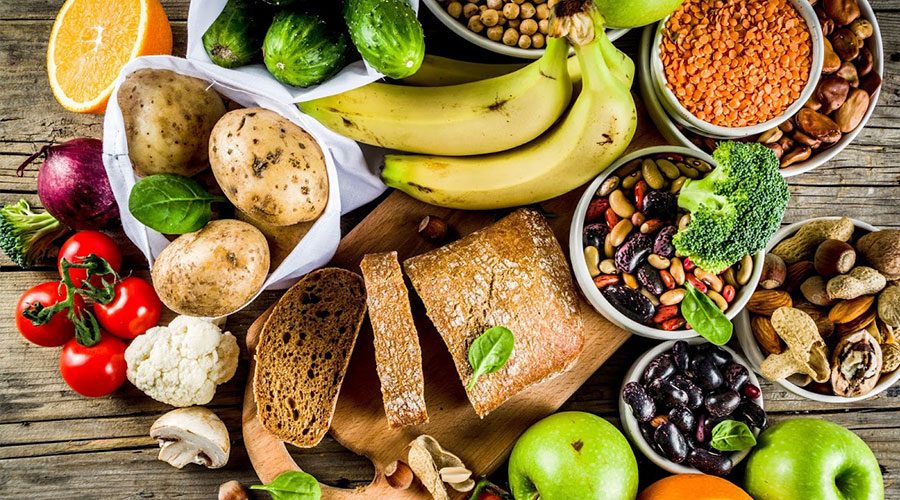
The Mediterranean diet is a plant-based diet that focuses on the food cultures of Italy, Greece, Spain, and other countries along the Mediterranean Sea. The Mediterranean diet is one of the most well-known dietary patterns out there. It was first introduced in the early 1990s by researchers who wanted to study the health of people living in areas like Southern Italy. They found that the people who consumed a traditional Mediterranean diet had lower rates of heart disease, less cancer, and longer lifespans than people in other parts of the world. The idea of a Mediterranean diet has been around for decades, and it’s one that most people know about. After all, it’s touted as the healthiest way to eat. That’s because it emphasizes foods that are high in proteins, fats, vitamins, and minerals. These include fruits like breads, pastas, nuts, and beans as well as vegetables such as greens, peppers, and potatoes. Even more importantly though? It also includes low amounts of red meat and saturated fat from food like butter and cheese.
So if you’re thinking of going vegetarian or vegan, or just want to eat healthier in This article gives you a quick overview of the differences between a vegan vs. a Mediterranean diet, as well as some pros and cons.
If you’re thinking about adopting either one of these diets,Keep reading to learn more about Mediterranean and vegan diet
While these two dietary patterns are both healthful, they do have some differences. Mediterranean diet followers try to get most of their calories from whole, unprocessed foods, while vegans mostly get their calories from fruits, vegetables, whole grains, legumes, nuts, seeds, and oils. Although both dietary patterns are plant-based, the Mediterranean diet includes dairy, fish, and occasional meat, while vegans consume no meat or animal products and are 100 percent plant-based. The Mediterranean diet also recommends that followers get most of their daily fat from extra virgin olive oil, while vegans get more fat from fruits, nuts, seeds, and avocados. The most important difference between the Mediterranean diet and the vegan diet is that the followers of the Mediterranean diet choose it for greater health and weight loss. But vegans choose their diet and lifestyle for ethical and environmental reasons. A vegan never eats animal meat to supply his body with protein, but uses plant sources. In addition to the food plate, vegans make changes in their daily lifestyle that have the least harm to the environment and living organisms.
The Mediterranean diet is a very healthy dietary pattern, but it also has some disadvantages. Some of the potential drawbacks of following a Mediterranean diet include – Higher cost – More time needed to cook – Difficulty following during certain times of the year (i.e. sardine season, tomato season) If you’re following a Mediterranean diet, you might notice that it’s more costly than other dietary patterns. This is because of the high consumption of fish, seafood, and nuts (almonds, walnuts, etc.) in the Mediterranean diet. Vegans can also experience higher costs due to more frequent and necessary trips to the grocery store. It may also take more time to cook Mediterranean meals, as they usually contain more ingredients than other dietary patterns do. And, because the Mediterranean diet is largely based on seasonal produce, it may become more difficult to follow during certain times of the year, especially during those times when there’s not much produce in season.
There have been hundreds of research studies showing that both Mediterranean and vegan diets, which emphasise fruits, vegetables, legumes, and whole grains, have a positive impact on overall health and longevity, as well as environmental health, in addition to planetary health. Vegetables, fruit, whole grains, pulses, nuts, and seeds are emphasised in both diets. The Mediterranean diet incorporates low quantities of red meat, small amounts of chicken, eggs, and dairy, and fish as the primary animal protein, while vegan diets exclude all of these animal foods. Scientists want to discover whether these diets yield comparable results in health outcomes in addition to the fact that they improve health and reduce the risk of certain diseases.
Researchers compared the effectiveness of a Mediterranean diet versus a low-fat vegan diet in improving health by focusing on changes in body weight and cardio-metabolic risk factors. This study measured the effects of a 36-week randomized crossover intervention on body weight, fat mass, insulin sensitivity, and lipid concentrations. They found that following a plant-based diet led to greater reductions in body weight and body fat, as well as greater increases in insulin sensitivity and cholesterol concentrations, compared to following a Mediterranean diet. Despite this, the Mediterranean diet was more effective at lowering blood pressure than the diet that resulted in lower blood pressure.
Scientists found that the Mediterranean diet’s ability to lower blood lipids and insulin resistance is boosted by reducing saturated fat, but a low-fat vegan diet achieved an even greater reduction in saturated fat as well as cholesterol. In addition, a vegan diet has been linked with weight loss due to its high fiber intake. In contrast, the traditional Mediterranean diet is known for its health benefits other than weight loss, including heart health. Monounsaturated fats in the Med diet may be more effective at lowering blood pressure than a low-fat vegan diet, which has lower amounts of these fats.
)

مشاهده نظرات بیشتر...