Warehousing in Iraq: Strengthening Supply Chains in a Growing Logistics Market

Warehousing in Iraq has become a critical component of modern logistics and supply chain management as the country continues to rebuild its economy and expand trade activities. With increasing imports, large-scale infrastructure projects, and growing domestic demand, efficient warehousing solutions are essential for ensuring smooth storage, handling, and distribution of goods across the country.
Warehouses serve as the backbone of logistics operations, connecting transportation networks with end users. In Iraq’s evolving market, professional warehousing services help businesses improve efficiency, reduce costs, and maintain reliable supply chains.
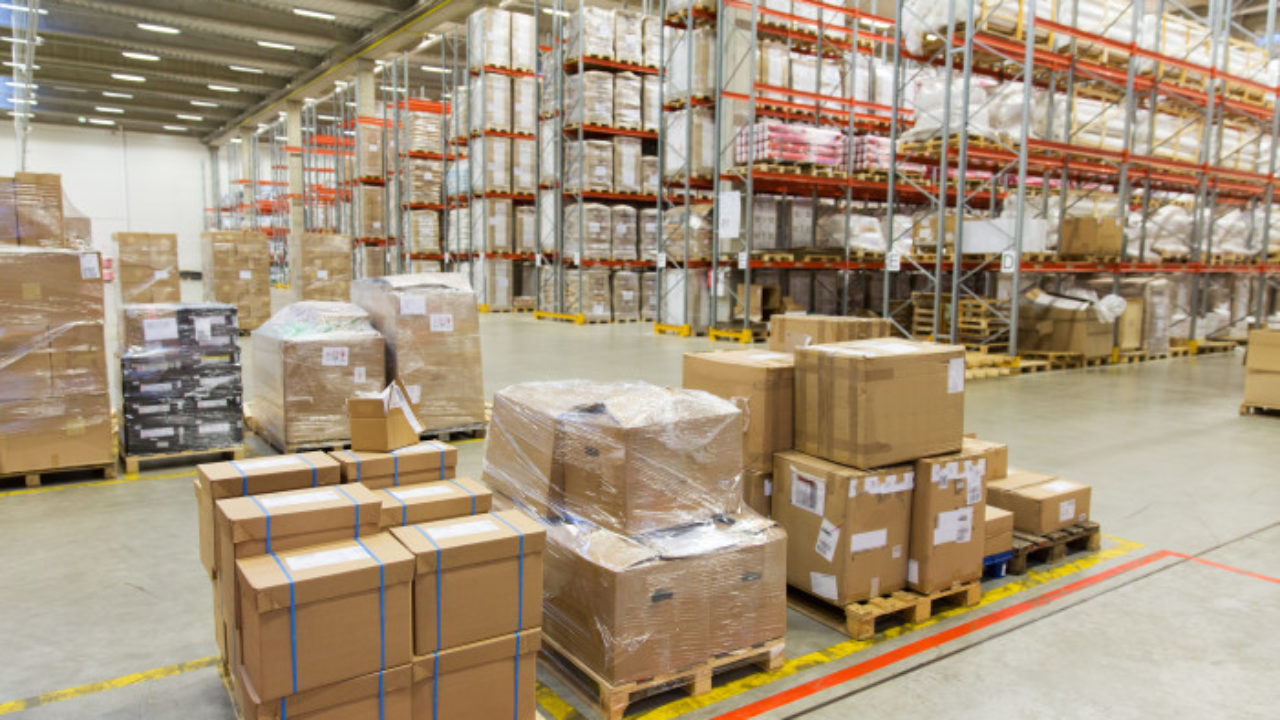
The Importance of Warehousing in Iraq’s Economy
As commercial activity grows, warehousing in Iraq plays a vital role in supporting trade, manufacturing, construction, and retail sectors. Warehouses allow companies to store goods safely, manage inventory effectively, and respond quickly to market demand. This flexibility is especially important in a country where transportation conditions and delivery timelines can vary.
Efficient warehousing also helps reduce congestion at ports and border crossings by enabling temporary storage and organized distribution. For international companies entering the Iraqi market, access to reliable warehousing is often a key requirement for successful operations.
Strategic Locations for Warehousing in Iraq
The success of warehousing in Iraq depends heavily on location. Warehouses near major cities, ports, and border crossings provide significant logistical advantages. Southern regions support imports arriving by sea, while central and northern locations serve domestic distribution and cross-border trade.
Strategically located warehouses reduce transit times, lower transportation costs, and improve delivery reliability. They also support last-mile distribution, which is essential for reaching customers efficiently across different regions of the country.
Types of Warehousing Services in Iraq
Modern warehousing in Iraq goes beyond basic storage. Professional facilities offer a wide range of value-added services, including inventory management, order fulfillment, packing and labeling, cross-docking, and distribution support. These services help businesses streamline operations and improve customer satisfaction.
Specialized warehousing solutions are increasingly in demand. Temperature-controlled storage is essential for pharmaceuticals and food products, while secure facilities are required for high-value goods and industrial equipment. Project-related warehousing supports large construction and energy projects by managing materials and machinery efficiently.
Warehousing and Supply Chain Efficiency
Effective warehousing in Iraq improves overall supply chain performance by balancing supply and demand. Warehouses allow companies to hold buffer stock, reducing the risk of shortages and minimizing disruptions caused by transportation delays.
Well-managed warehouses also support accurate inventory tracking and forecasting. This leads to better planning, reduced waste, and improved service levels. For businesses operating in competitive markets, efficient warehousing is a key factor in maintaining reliability and customer trust.
Challenges in Warehousing Operations in Iraq
Despite growing demand, warehousing in Iraq faces several challenges. Infrastructure quality and facility standards can vary widely depending on location. In some areas, access to modern warehouses with proper equipment and utilities remains limited.
Security and safety are also important considerations. Warehouses must ensure controlled access, proper handling procedures, and compliance with local regulations. Additionally, a shortage of skilled warehouse management professionals can impact operational efficiency.
Companies that invest in modern facilities, trained staff, and standardized processes are better positioned to overcome these challenges and deliver consistent service.
Technology and Modern Warehouse Management
Technology is gradually transforming warehousing in Iraq. Warehouse management systems, barcode scanning, and digital inventory tracking improve accuracy, visibility, and efficiency. These tools help reduce errors, optimize space utilization, and provide real-time information on stock levels.
As customer expectations increase, technology-driven warehouses gain a competitive advantage. Digital systems also improve coordination with transportation providers and support faster order processing and delivery.
Industries Relying on Warehousing in Iraq
Several key industries depend heavily on warehousing in Iraq. The oil and gas sector requires secure storage for equipment, spare parts, and materials. Construction and infrastructure projects rely on warehouses to manage large volumes of supplies and machinery.
Retail and consumer goods companies use warehouses to support distribution and market expansion. Humanitarian organizations also depend on warehousing facilities to store and distribute aid efficiently across the country. Each sector has unique requirements, making flexible warehousing solutions essential.
Future Outlook for Warehousing in Iraq
The future of warehousing in Iraq is promising. Ongoing investment in infrastructure, industrial zones, and logistics facilities is expected to improve storage capacity and service quality. Increased foreign investment and private sector participation are also driving demand for professional warehousing solutions.
Warehouses that focus on strategic location, technology adoption, safety standards, and service quality will be well positioned for long-term growth. Integrated logistics solutions that combine warehousing with transportation and distribution will shape the next phase of market development.
Conclusion
In conclusion, warehousing in Iraq is a fundamental element of the country’s logistics and supply chain ecosystem. It supports trade, improves distribution efficiency, and enables businesses to operate more effectively in a dynamic and developing market. While challenges remain, the opportunities for growth and modernization are significant.
As Iraq continues to strengthen its role in regional and global trade, efficient and reliable warehousing services will remain essential for building resilient, cost-effective, and sustainable supply chains.
)

مشاهده نظرات بیشتر...